28 May, 2026
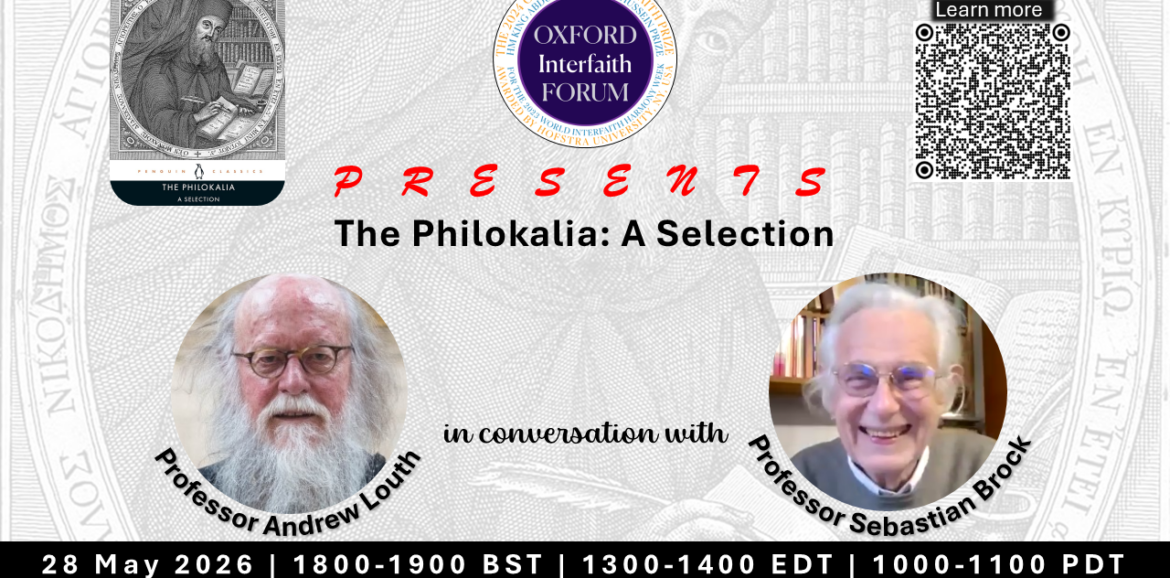
We are deeply honoured to welcome the Very Reverend Professor Andrew Louth, FBA, Professor Emeritus of Patristic and Byzantine Studies, Durham University, and Honorary Fellow of the St Irenaeus Orthodox Theological Institute, Radboud University, Nijmegen, to present his co-translated work, The Philokalia: A Selection, in conversation with Professor Sebastian Brock, FBA.
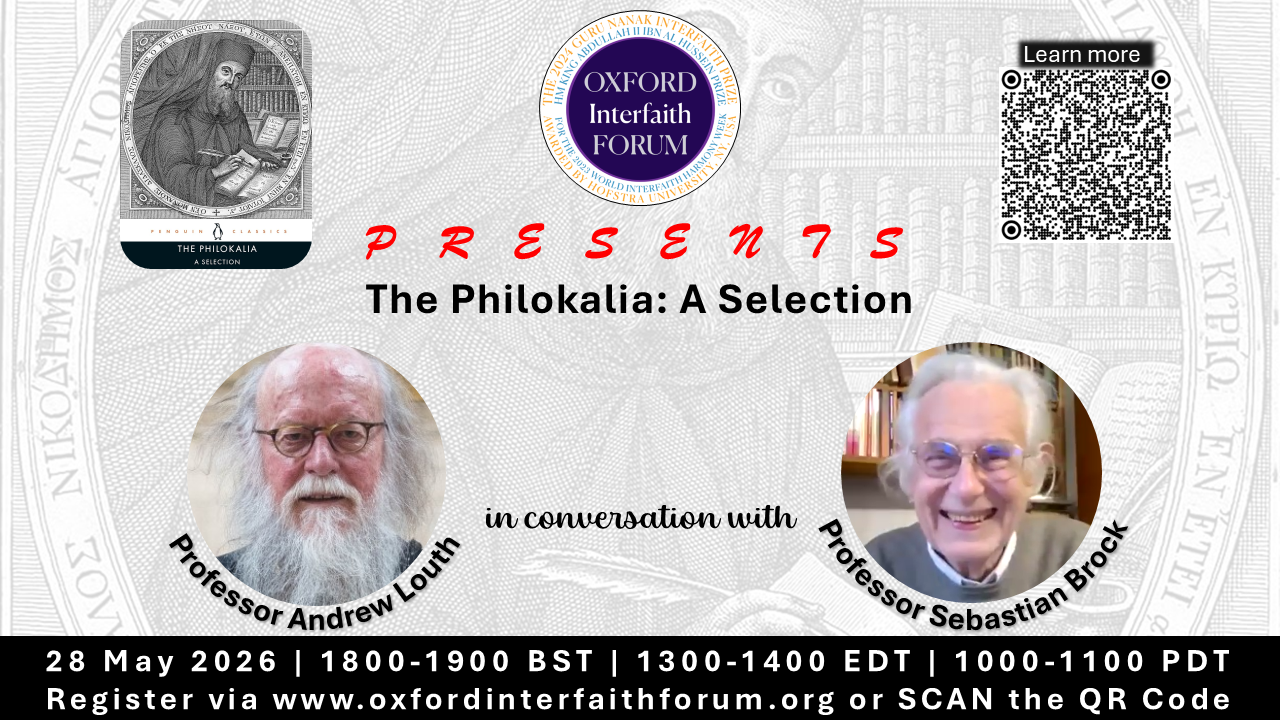
About the book: The Philokalia is the most influential book in the recent history of the Orthodox Church, aside from the Bible. It is an anthology of thirty-six spiritual texts written between the fourth and fifteenth centuries by the masters of Eastern Orthodox Christianity, tracing a continuous tradition of the prayer of the heart, or hesychasm, in which the Jesus Prayer plays a growing role, from Evagrios of Pontos to Gregory Palamas. First published in Greek in 1782, and revered for offering a rich tapestry of wisdom on the path to union with God, the texts, largely of monastic origin, serve as a guide to lay people as well as monks in their pursuit of contemplative prayer, ‘inner asceticism’, and the purification of the soul.
Translated by
Jonathan L. Zecher and Andrew Louth
with an Introduction by Andrew Louth
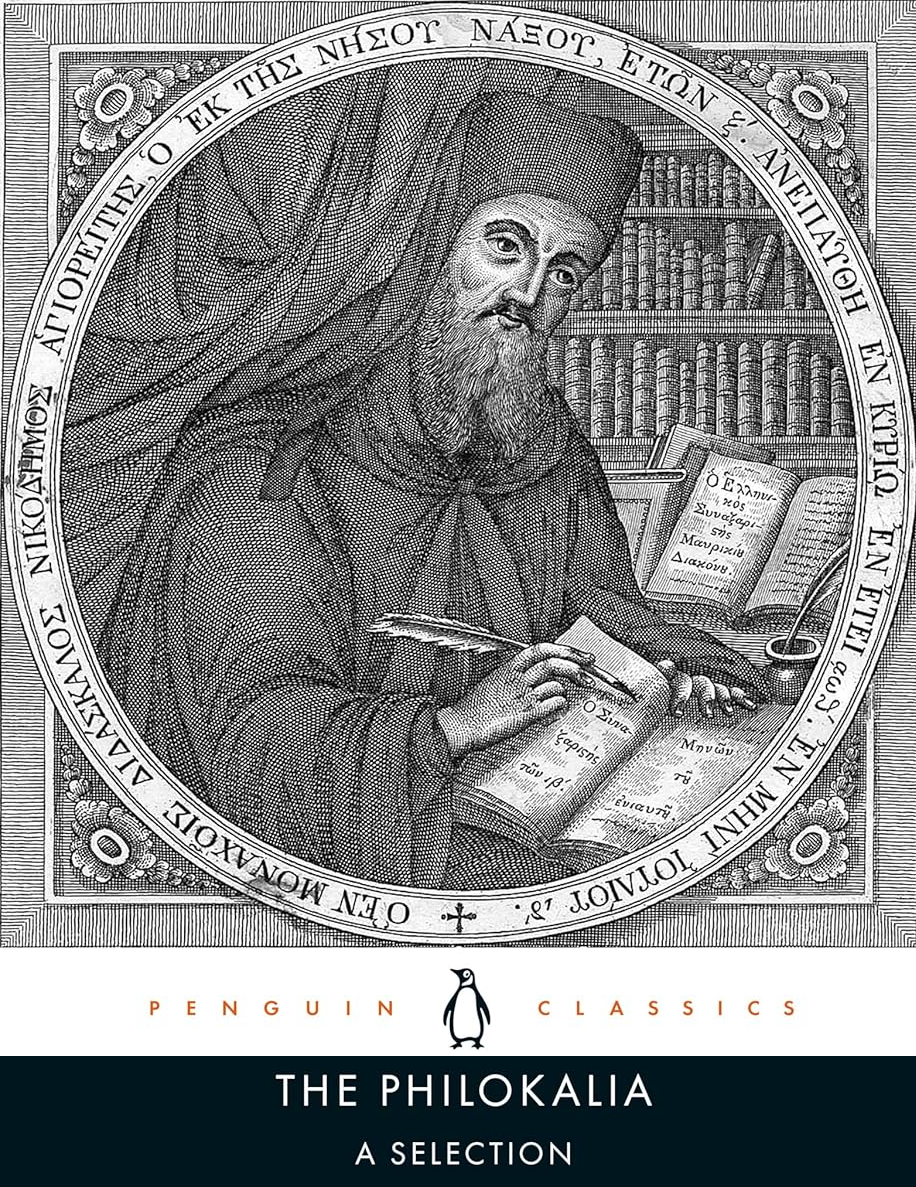
About the Very Reverend Professor Andrew Louth, FBA

An English theologian, Prof Louth is an Emeritus Professor of Patristic and Byzantine Studies in the Department of Theology and Religion of Durham University. Previously, he taught at the University of Oxford (mostly patristics) and at Goldsmiths’ College in Byzantine and Early Medieval History. He is a Fellow of the British Academy and was a member of the British Academy Council from 2011 to 2014. He was President of the Ecclesiastical History Society (2009–10). See the publications’ list below.
About Professor Sebastian Brock, FBA

Professor Sebastian Brock, FBA, is an Emeritus Fellow of Wolfson College and the most prominent scholar in academic studies of Syriac language and Syriac literature. His research covers all aspects of the history of Syriac Christianity.
Date: 28 May, 2026
Time: 18:00-19:00 BST | 13:00-14:00 EDT | 10:00-11:00 PDT
Venue: online
or Scan the QR Code
Some of Prof Louth’s Publications
Related Events
- The Philokalia: A Selection
- The Peshitta and the Making of the Antioch Bible
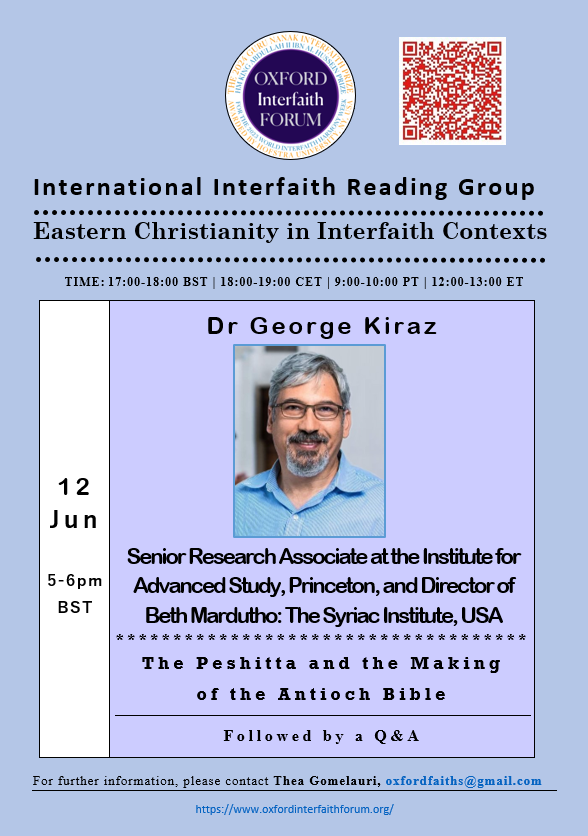
- Narsai’s Memra 49, on Adam and Eve: O Instructive Fault!
- Basil of Caesarea and Gregory of Nazianzus on the Problem with the Devil
- Byzantine Aristocrat, Monk, Mystic and Dissident: Symeon the New Theologian (949-1022)
- Heavenly Hours: Creation and Time in the Syriac Testament of Adam
- The Monastic Homilies of Isaac of Antioch
- Christian Trees
- Dialogue and Fire in a Fragmentary Syriac Martyrdom Narrative
- The Origins of the First Anti-Jewish Good Friday Hymns
- Finding a Home: The West Syriac Context of the Clementine Epistles on Chastity
- Who was Mary, the Blessed Virgin and Mother of God? A Byzantine hagiographical narrative by the ninth-century Monk Epiphanios
- Nikos Kazantzakis and Orthodox Christianity
- The Miracle of Pilgrimage: A Coptic Journey to the Holy Land During the Ottoman Period
- Setting the Stage: The Rose of Performance in Studying Late Ancient Hymnody
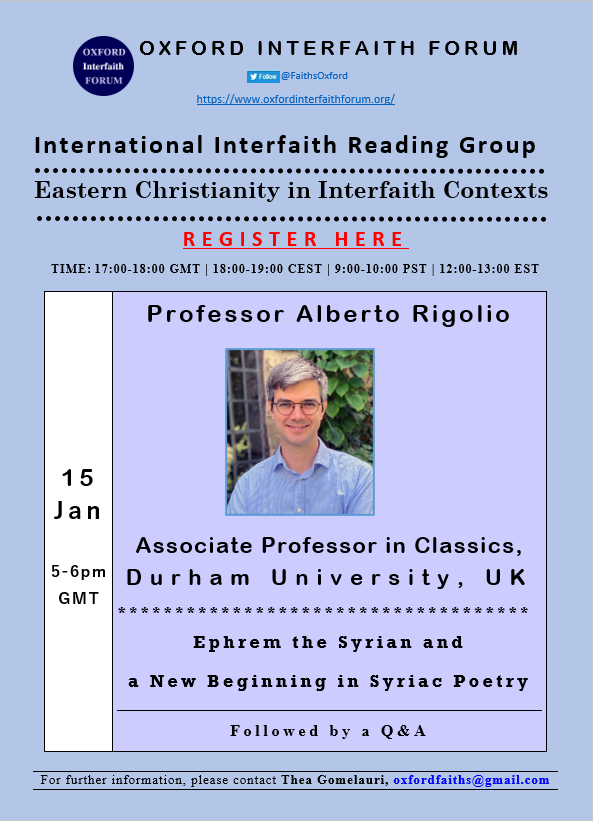
- Ephrem the Syrian and a New Beginning in Syriac Poetry
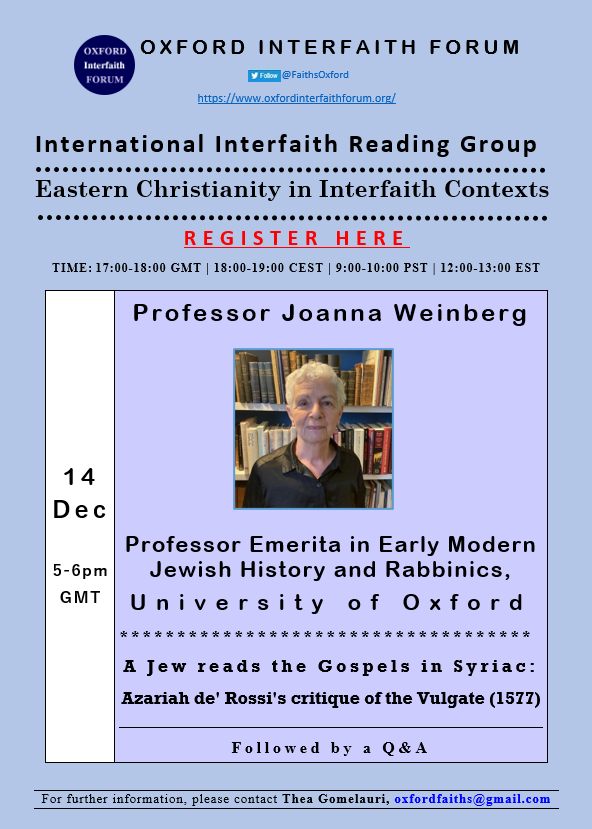
- A Jew Reads the Gospels in Syriac: Azariah de Rossi’s Critique of the Vulgate (1577)
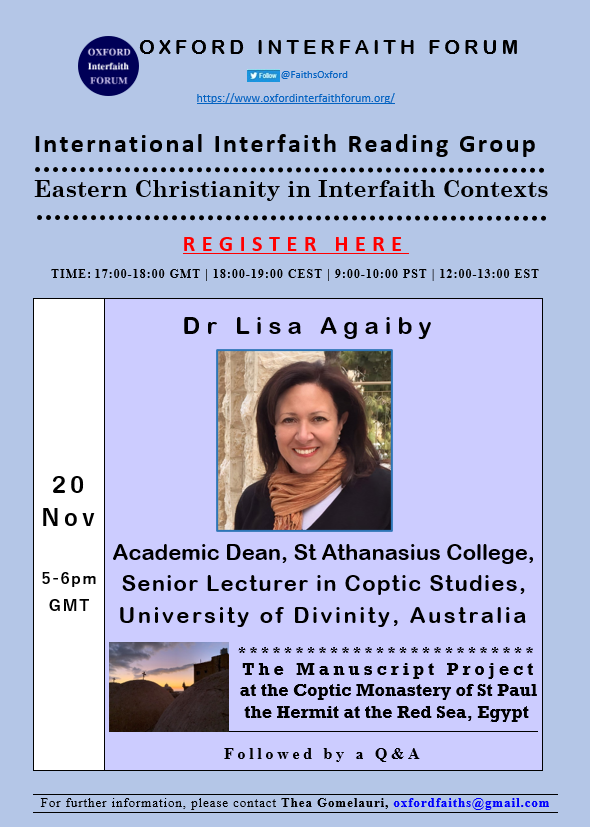
- The Manuscript Project at the Coptic Monastery of St Paul the Hermit at the Red Sea, Egypt
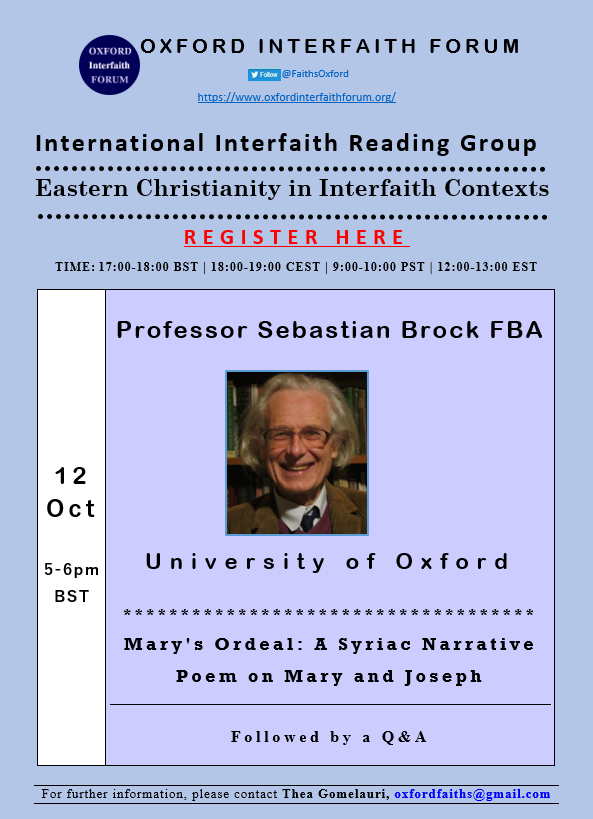
- Mary’s Ordeal: A Syriac Narrative Poem on Many and Joseph
- Resurrection of the Human Body according to John of Dara’s Mimro I:4
- Gregory of Nyssa: On the Human Image of God
- ‘Conception by ear’ and Redemption of the Human Sensorium in Ephrem’s Thirty-fifth Madrasha on the Church
- From Edessa to South Arabia and Back: The Syriac Story of Bishop Paul and Priest John and Models of Sanctity in the Medieval Middle East
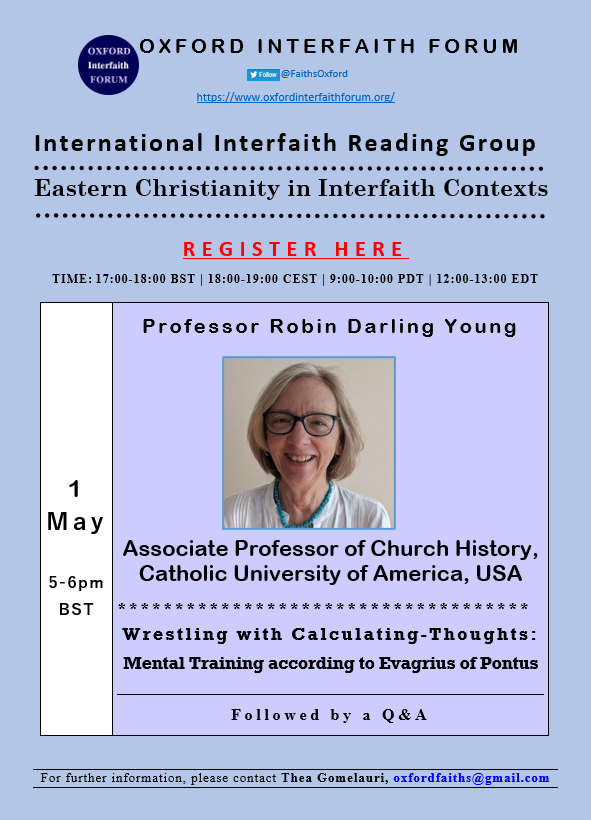
- Wrestling with Calculating-Thoughts: Mental Training according to Evagrius of Pontus
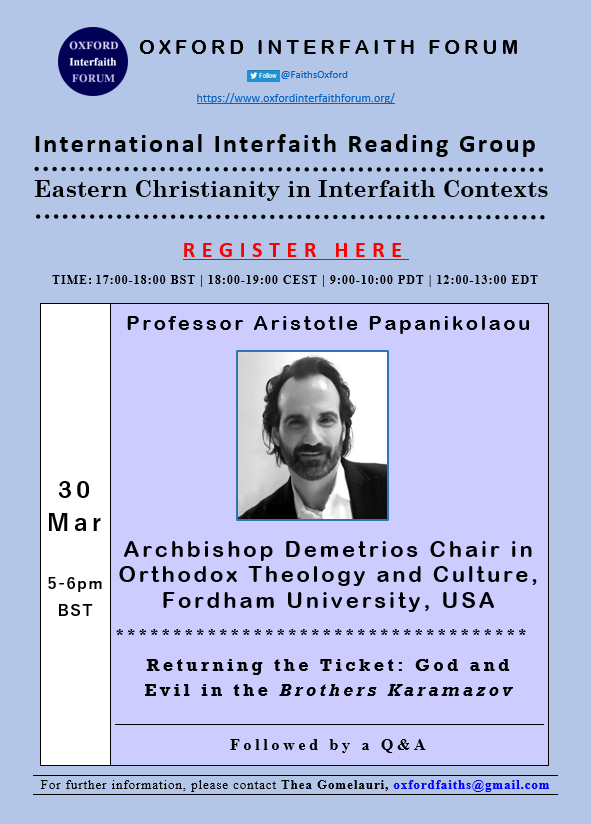
- Returning the Ticket: God and Evil in the Brothers Karamazov
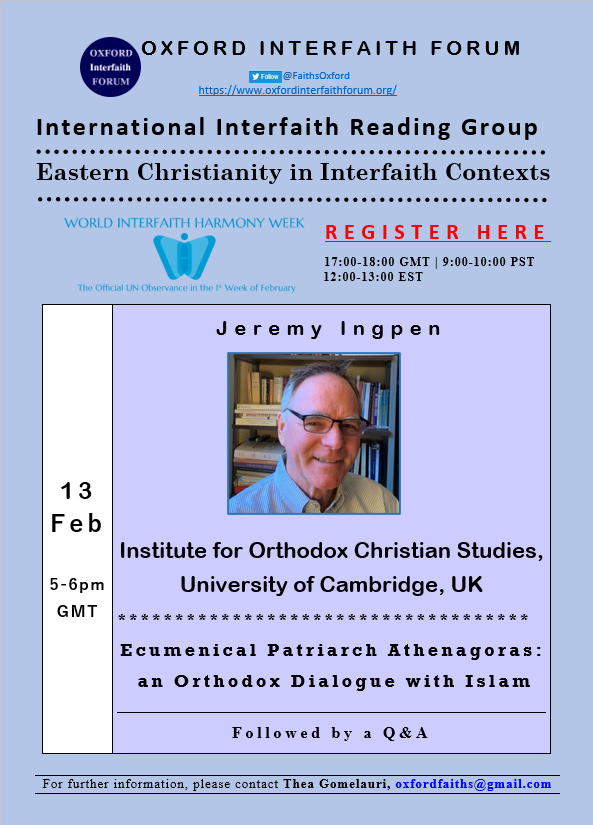
- Ecumenical Patriarch Athenagoras: an Orthodox Dialogue with Islam
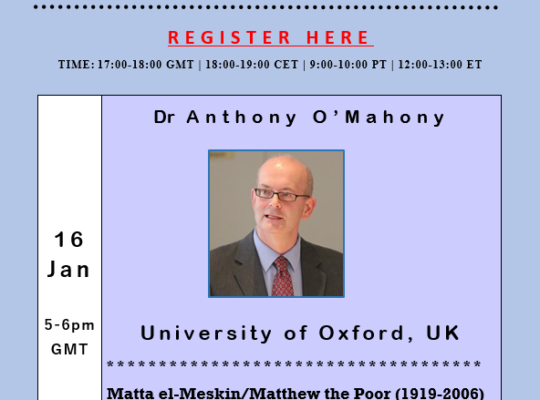
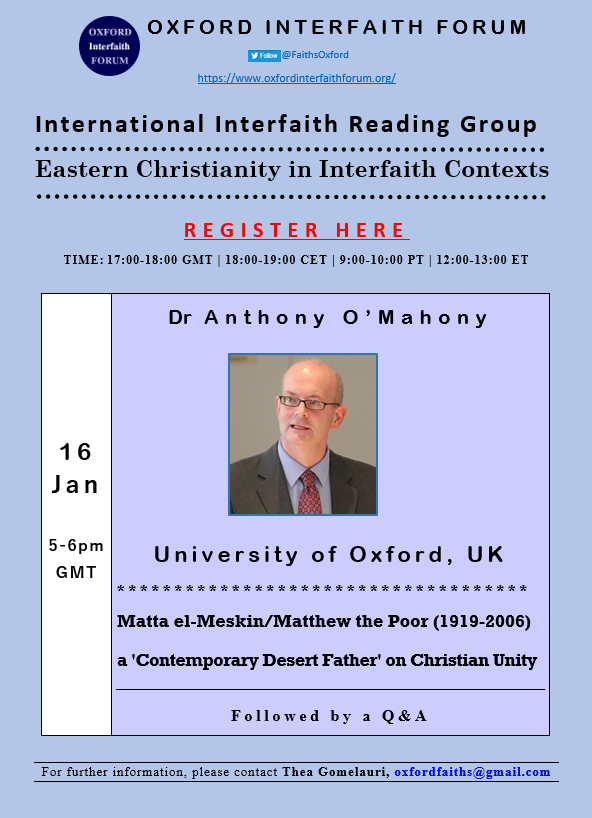
- Matta el-Meskin/Matthew the Poor: a ‘Contemporary Desert Father’ on Christian Unity
- Signs of Miraculousness: The Inimitability of Jacob of Serugh’s Teaching
- Epistolary Style in Coptic Letters from the Late Third Century to the Early Fifth Century
- Sarah and the Akedah: a Syriac Narrative Poem on Genesis 22
- The Paterik of the Kyivan Caves Monastery: Monk Polikarp in Discourse 14
- Jacob of Sarug on the Canaanite Woman (Mt 15:21-28, Mk 7:24-30): Biblical Storytelling and Models of Faith
- Commemorating the saints at Turfan: Mart Shir and Mar Barshabba
- The Opening Prayers of Saint Gregory of Narek’s Book of Lamentations
- Alexander Schmemann on Theotokos vis-à-vis Kali a Hindu Mother Goddess
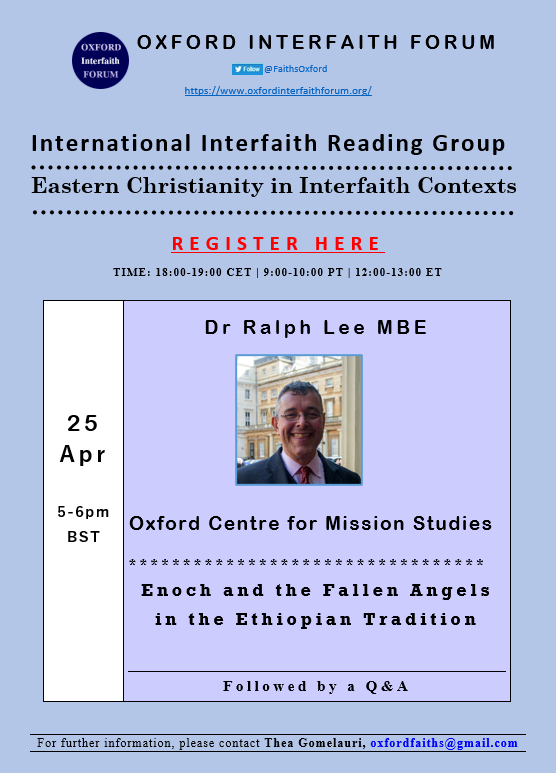
- Enoch and the Fallen Angels in the Ethiopian Tradition
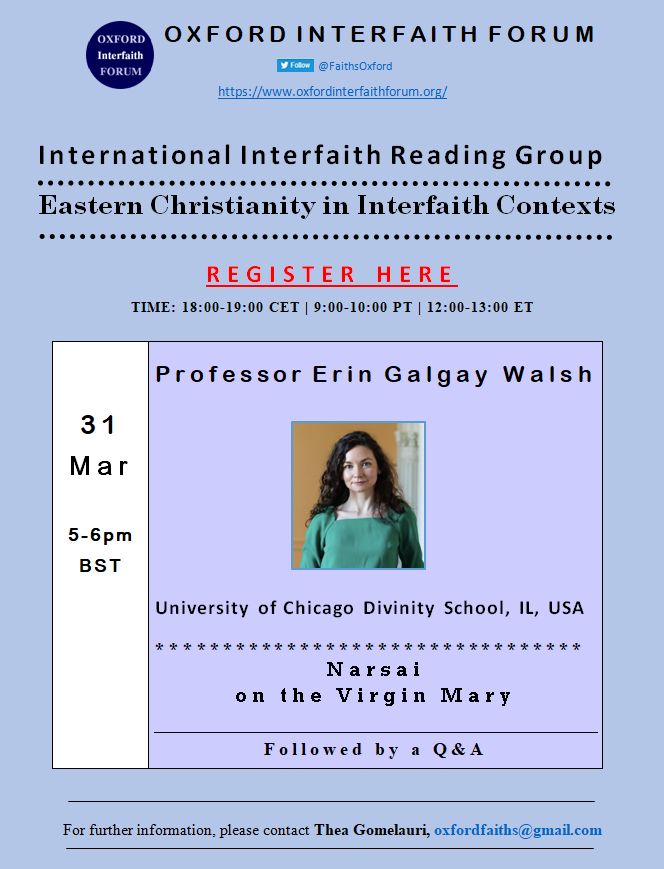
- Narsai on the Virgin Mary
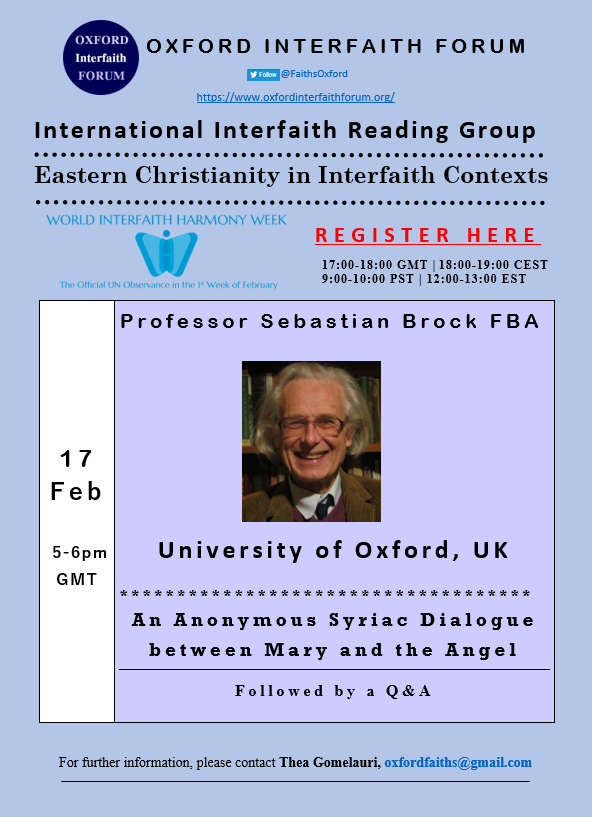
- An Anonymous Syriac Dialogue between Mary and the Angel
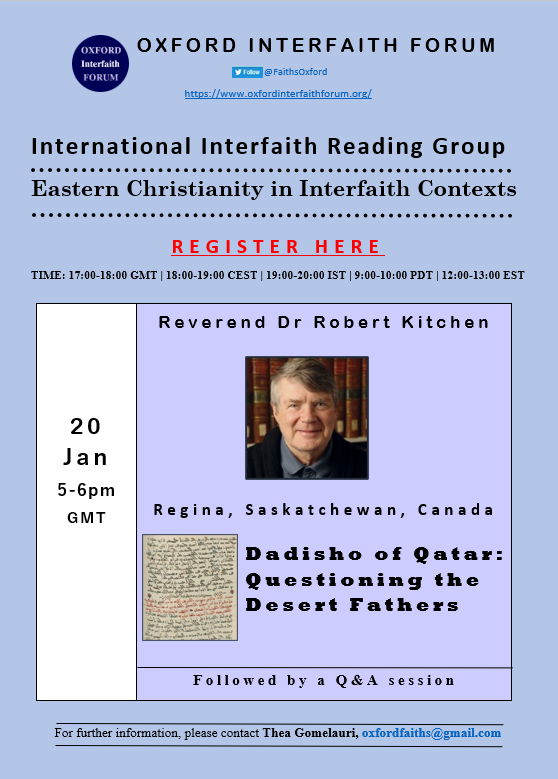
- Dadisho of Qatar: Questioning the Desert Fathers
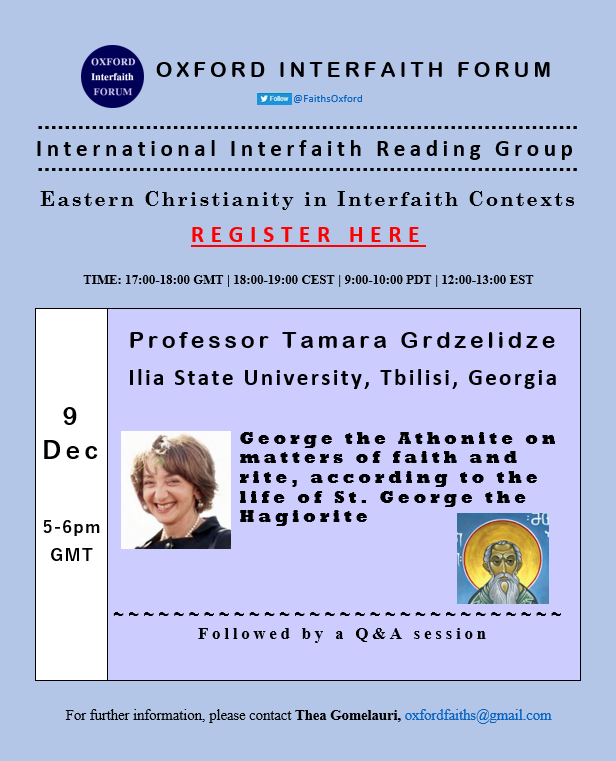
- George the Athonite on Matters of Faith and Rite, According to the Life of St George the Hagiorite
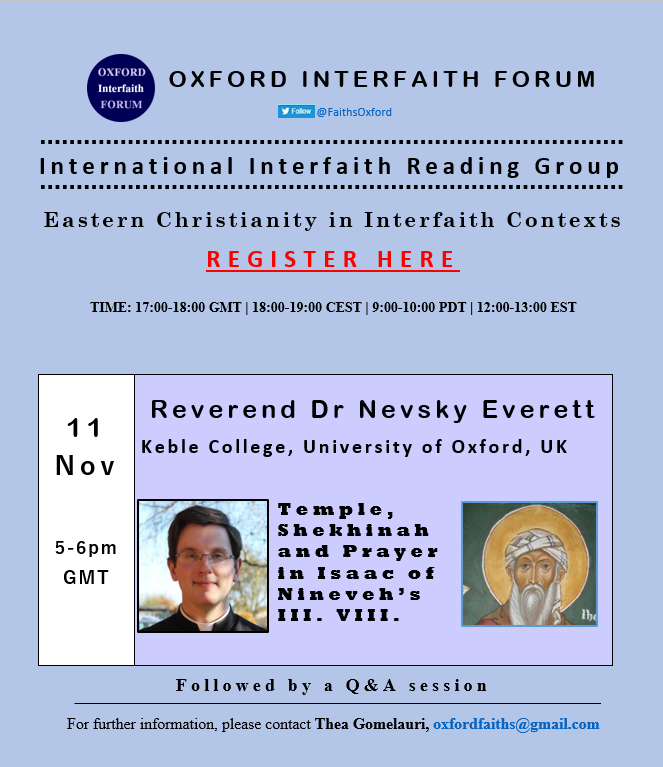
- Temple, Shekhinah and Prayer in Isaac of Nineveh’s III.VIII
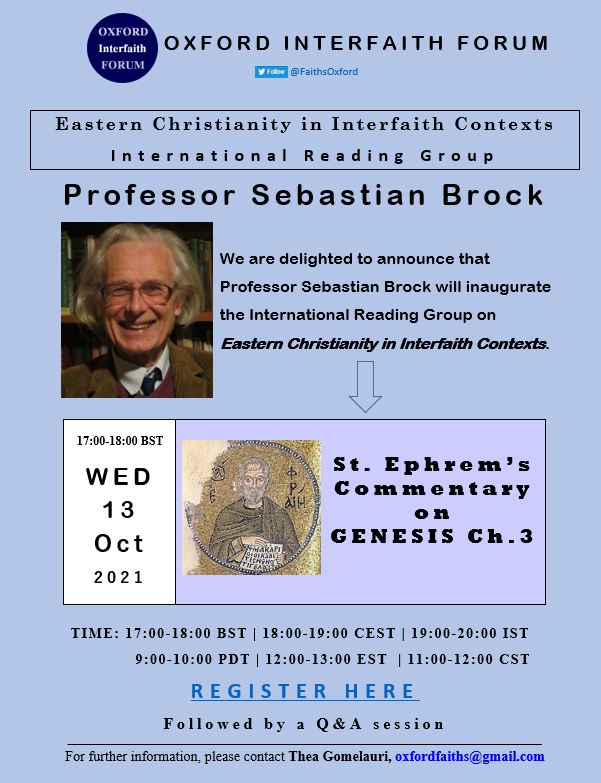
- St. Ephrem’s Commentary on Genesis Ch.3