3 July 2026
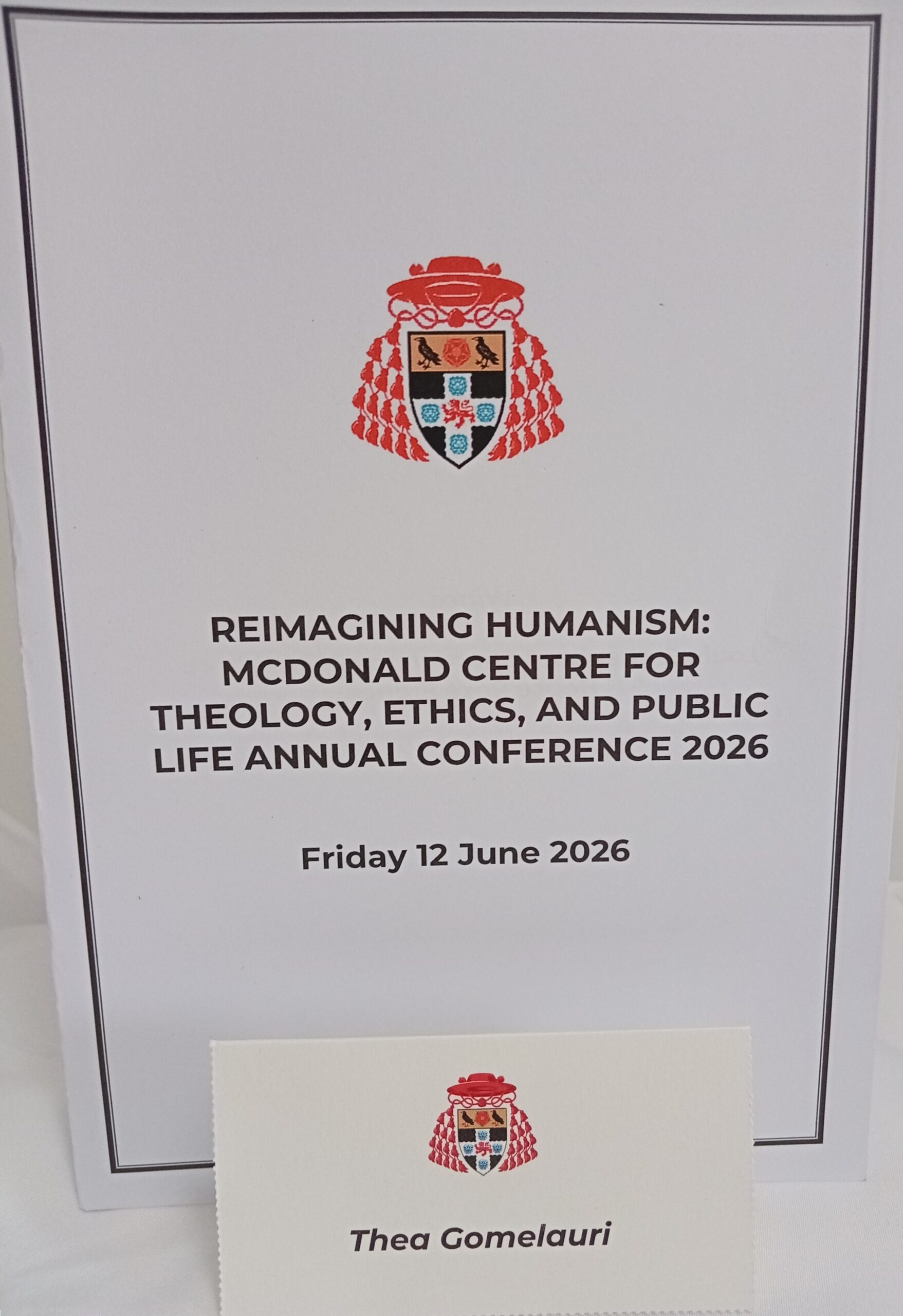
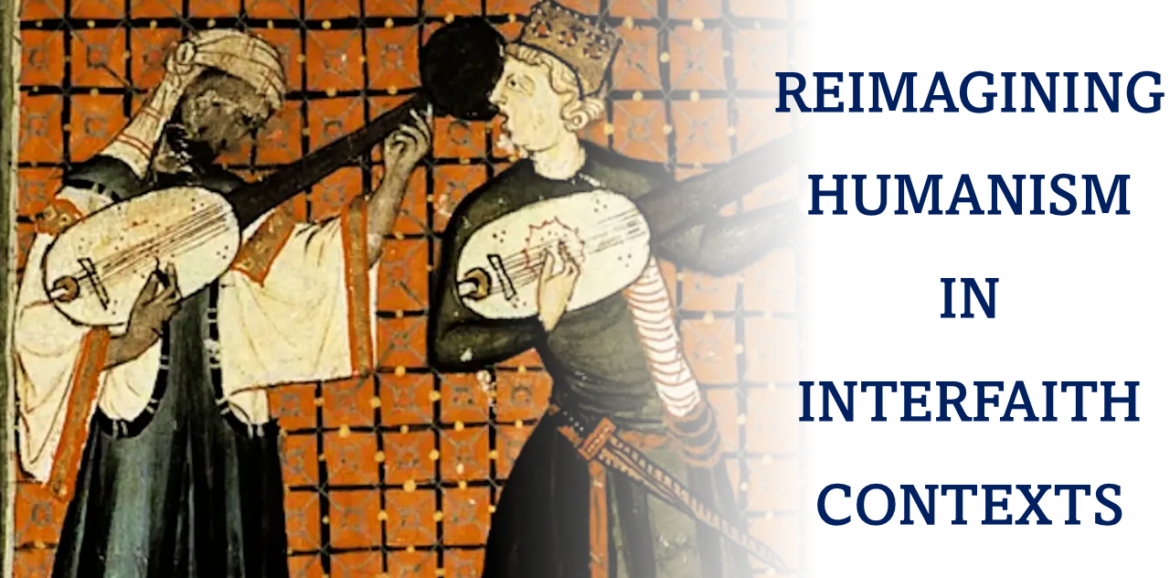
For the first time in its eighteen-year history, the McDonald Centre for Theology, Ethics, and Public Life convened an interfaith conference titled: Reimagining Humanism: Religious Humanisms as Frameworks for Building a Common Life in a Fractured World. The international gathering brought humanist thought in conversation with broader intellectual, ethical, and theological traditions, rearticulating humanism as a shared moral and religious horizon for interfaith engagement.
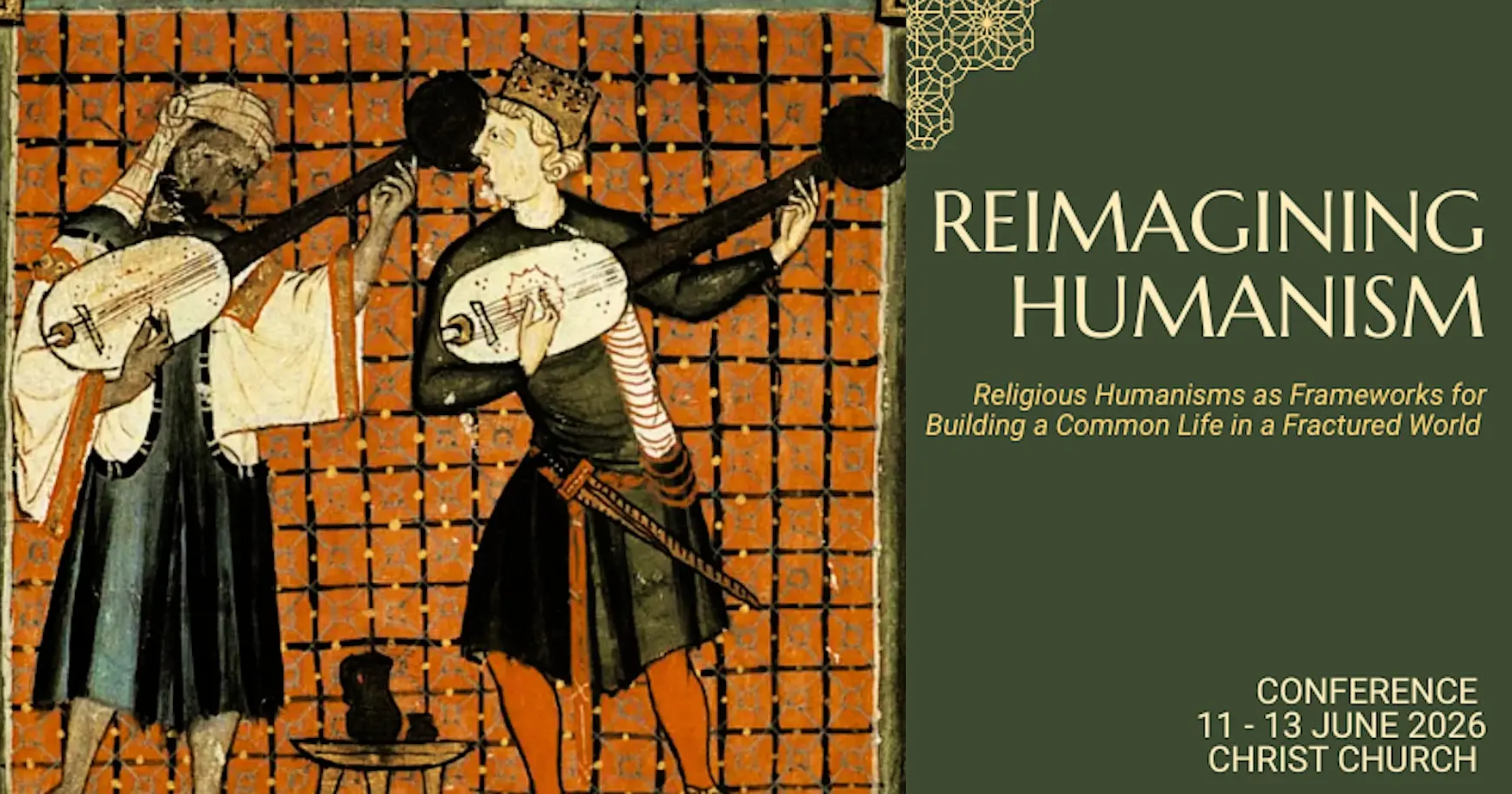
While humanism has, since the early modern period, often been assimilated into secular and explicitly anti-religious narratives, recent scholarship has begun to recover religious humanisms as intellectual and theological frameworks for understanding the dignity, and creaturely finitude of the human person. These traditions offer valuable resources for rethinking ethical agency, enlarging the horizons of political and pastoral imagination, and renewing shared communal life.
Conference Organiser
Revd Canon Professor Luke Bretherton, Regius Professor of Moral and Pastoral Theology at the Faculty of Theology and Religion, and Director, McDonald Centre for Theology, Ethics, and Public Life at the University of Oxford, considered the concept of religious humanism in conversation with scholars across multiple faith traditions.
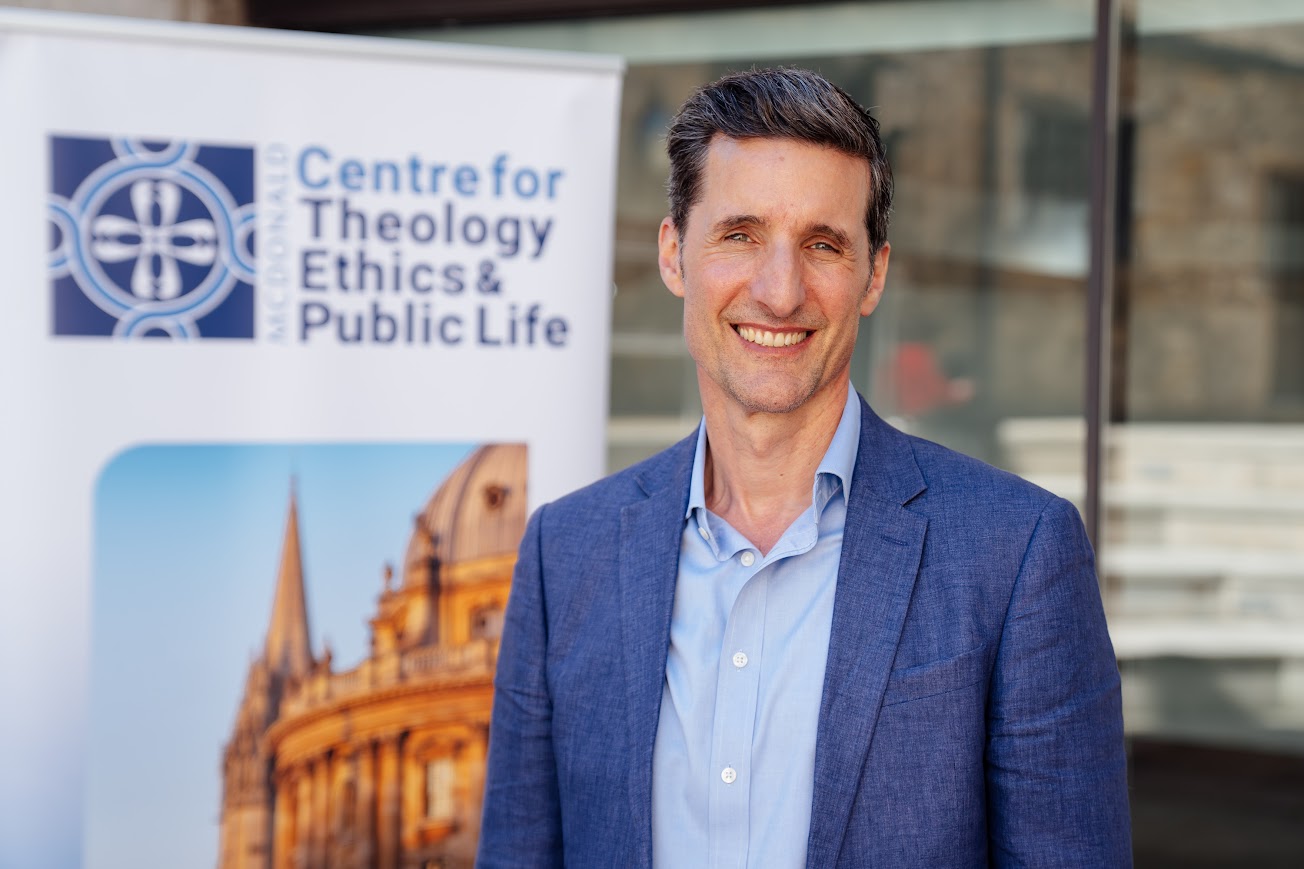
Photo Courtesy of the McDonald Centre for Theology, Ethics, and Public Life.
Revd Canon Professor Bretherton opened the conference with welcome, and introduction to religious humanisms as sites of encounter between divergent, and at times competing, religious and philosophical traditions. At the centre of scholarly discussion was whether theologically grounded humanisms might offer analytical, and constructive resources for addressing urgent ethical and political challenges, such as the negotiation of pluralism, and the cultivation of responsibility and solidarity in a fractured world.
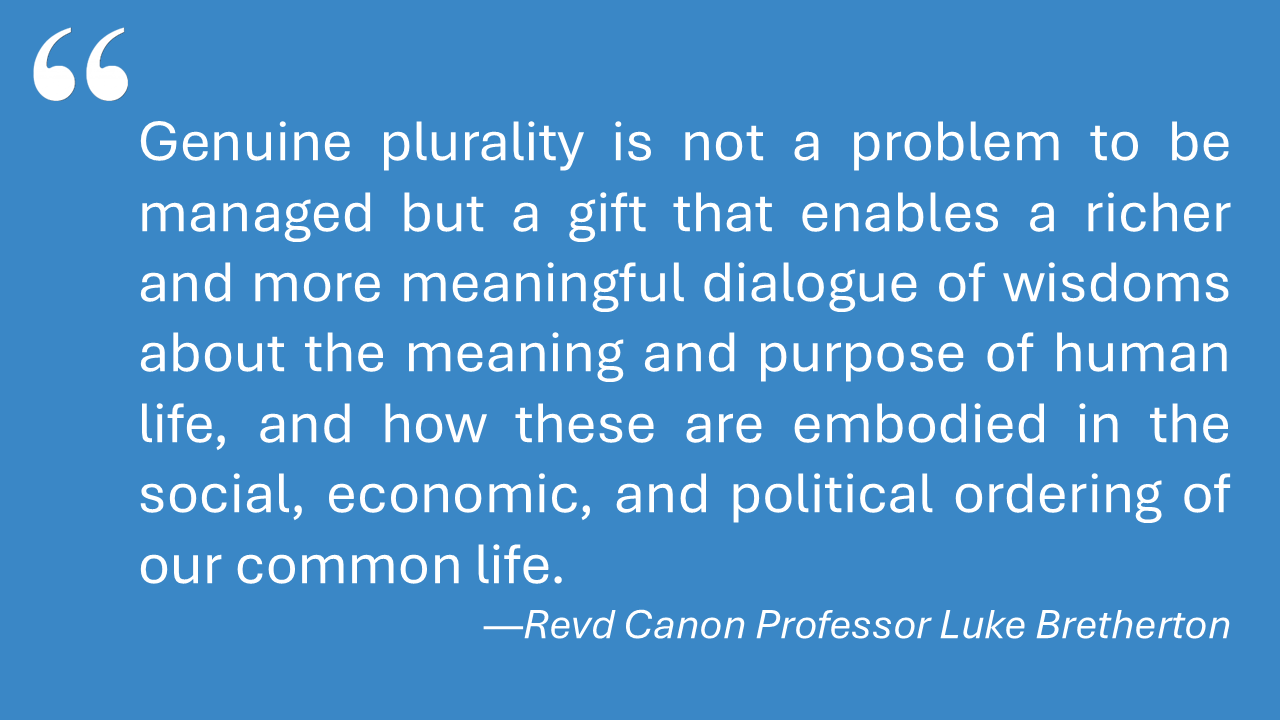
Drawing on Emilie Townes’ concept of countermemory, Professor Bretherton emphasised the recovery of neglected histories of cooperation and solidarity as a practice oriented towards hope. He further argued that Alasdair MacIntyre’s account of traditions as historically extended arguments provides a robust foundation for a model of dialogue in which substantive theological and philosophical commitments are not obstacles to deliberation, but necessary resources for shared enquiry.
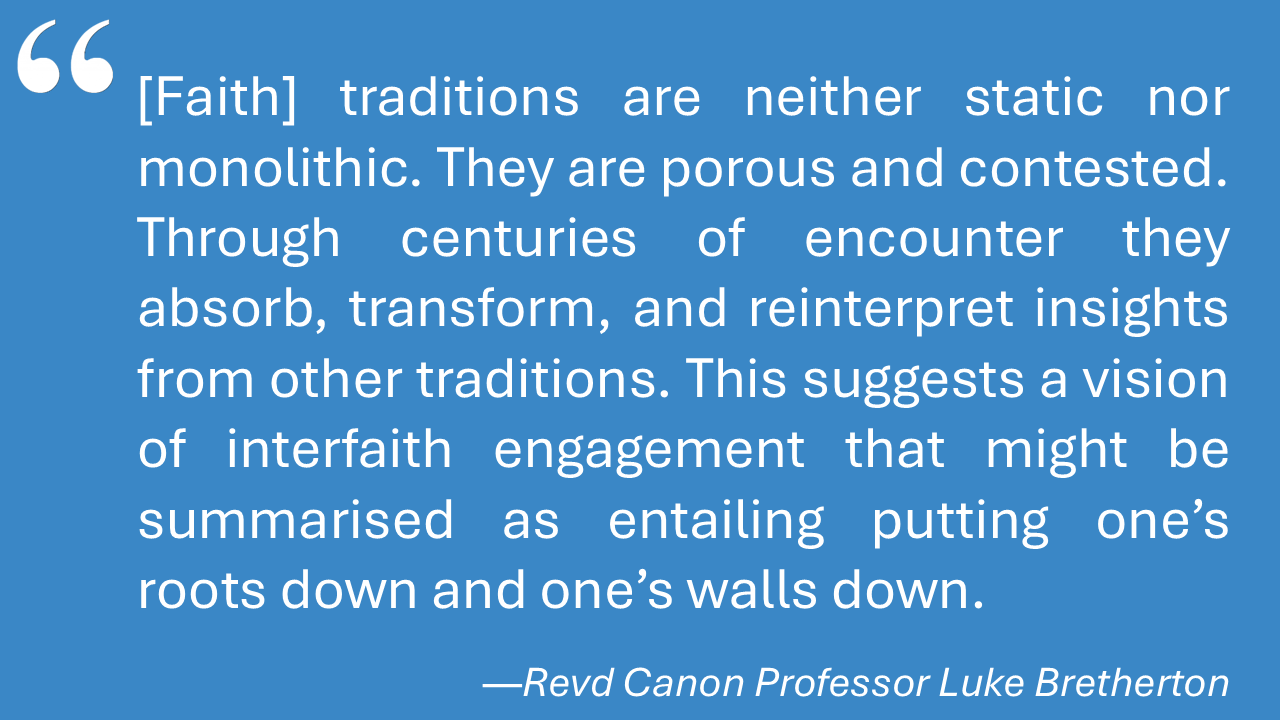
Revd Canon Professor Bretherton further noted: ‘In my experience of community organising, particularly with Jewish and Muslim colleagues, bringing walls down generated a desire to put my roots down, the two emerging simultaneously, which then enabled bridges to be built through discovering points of connection and shared concern that formed the basis of a common life in which difference was brought into reciprocal relation.‘
Following Revd Canon Professor Bretherton’s introduction, speakers explored overlapping conceptions and differences across Christian, Jewish, Islamic, Confucian, African and Pentecostal perspectives, considering how such ideas are articulated in democratic movements and practices of civic solidarity. Further details on each presentation are available below.
Conference Speakers
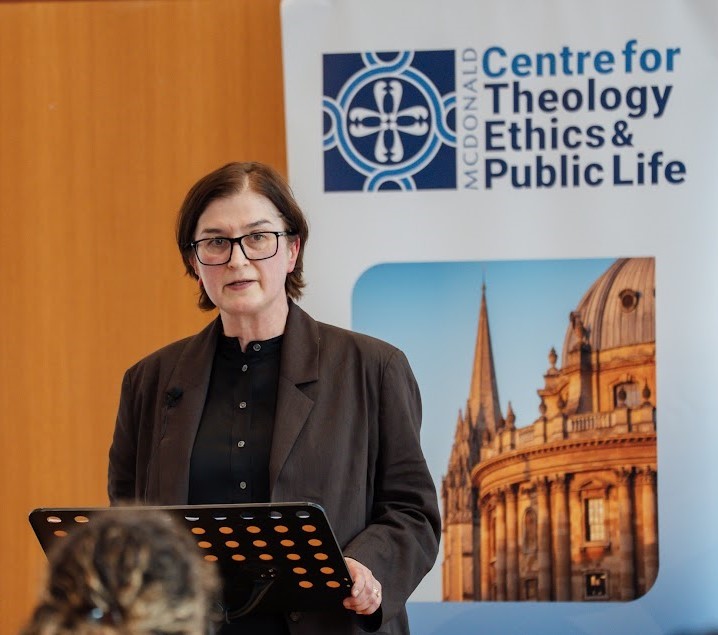
Slavica Jakelić,
Richard P. Baepler Distinguished Professor in the Humanities, Valparaiso University.
Religious and Secular Humanisms: Politics Beyond Power
Photo Courtesy of the McDonald Centre for Theology, Ethics, and Public Life.
Professor Jakelić examined humanism within an expansive historical and conceptual horizon, resisting its reduction to an exclusively Western or anti-religious inheritance. Through the case of Poland’s Solidarity movement in 1980, she demonstrated how religious and secular humanisms may converge generatively in response to contemporary crises, including renewed religious nationalism. Her presentation illuminated how solidarity, and national identity can be reconfigured together in support of ethically robust vision of political community.
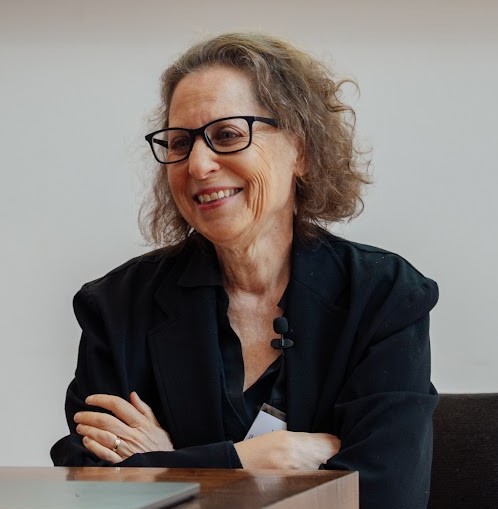
Randi Rashkover,
Sophia and Nathan S. Gumenick Professor of Judaic Studies, Wiliam & Mary.
Judaism, Humanism and Inquiry
Photo Courtesy of the McDonald Centre for Theology, Ethics, and Public Life.
Professor Rashkover revisited theology and religious thought through the contested and generative category of humanism. She focused on Jewish-Christian relations, seeking to move beyond both supersessionist paradigms and the competitive adjudication of doctrinal truth. In their place, she suggested a philosophical reframing in which truth is discerned in relation to the conditions of human flourishing. Within this account, Jews and Christians are invited not only to learn from one another, but also to engage wider intellectual traditions in the shared cultivation of a more humane and flourishing common life.
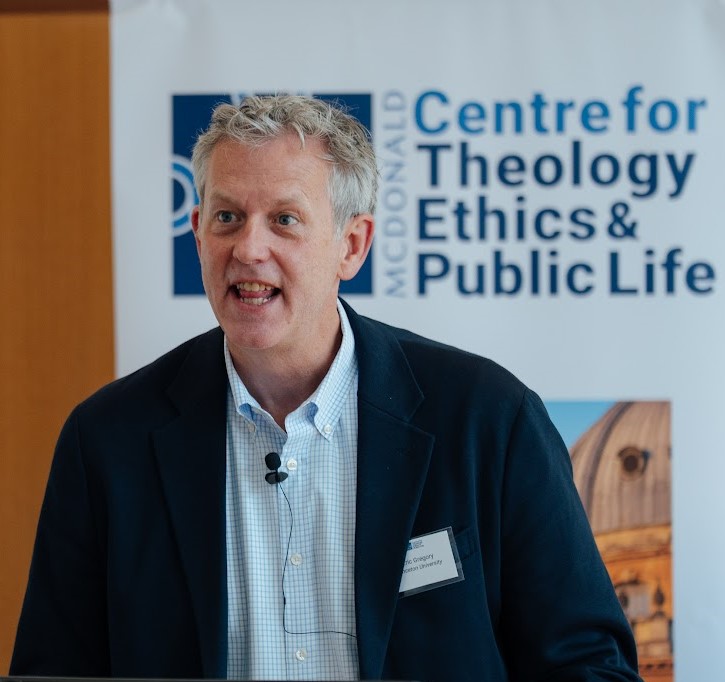
Eric Gregory,
Professor and Director of Graduate Studies, Department of Religion, Princeton University.
Christian Humanism as Theological Proclamation
Photo Courtesy of the McDonald Centre for Theology, Ethics, and Public Life.
Professor Gregory considered Christian humanism as a discourse repeatedly renewed in periods of crisis, particularly when the meaning and vocation of the human are rendered newly uncertain. Moving beyond accounts grounded solely in creation and the imago Dei, he brought Christology and eschatology into sustained conversation with biblical distinctions between Jews and Gentiles. Professor Gregory asked how Christian claims to universality might be articulated without superseding Judaism, and how national, cultural, and historical particularities may serve as therapeutic resources for the renewal of Christian humanist thought.
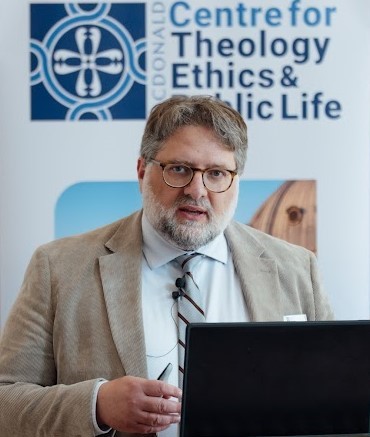
Ufuk Topkara,
Professor in Islamic Theology, Humboldt University.
Reading the Theology of the Other: Engaging with Hermann Cohen’s “Religion of Reason: Out of Sources of Judaism” from an Islamic Perspective
Photo Courtesy of the McDonald Centre for Theology, Ethics, and Public Life.
Professor Topkara framed a theology of the other through Hermann Cohen’s Religion of Reason: Out of Sources of Judaism, focusing on Cohen’s attempt to reconfigure modern ethics by bringing classical Jewish sources into dialogue with the moral and philosophical demands of modernity. He also foregrounded Islam’s sustained engagement with Jewish thought and noted the structural affinities between German Jewish philosophy and contemporary Muslim intellectual traditions. In doing so, he identified shared experiences of marginality, belonging, and ethical self-understanding as significant grounds for interfaith and philosophical reflection.
Joshua Hordern,
Professor of Christian Ethics,
University of Oxford.
Diagnosing Medical Humanities: Conscience, Christus Medicus and Common Life in a Fractured World
Photo Courtesy of the McDonald Centre for Theology, Ethics, and Public Life.
Professor Hordern‘s contribution analysed how a renewed humanism may be articulated within the field of healthcare. He presented medicine as a particularly significant site in which religious and secular accounts of the human person intersect, attending especially to Christian humanism, Islamic medical traditions, the medical humanities, and the ethical significance of conscience. Rather than construing humanistic reflection as merely ancillary to clinical practice, Professor Hordern argued that accounts of conscience can reorient the ethical and theological horizons of healthcare, particularly through Augustinian images of Christ as healer.
Aaron Stalnaker,
Professor in Religious Studies,
Indiana University.
Two Contemporary Approaches to Confucian Religious Humanism: Tu Weiming and Li Zehou
Photo Courtesy of the McDonald Centre for Theology, Ethics, and Public Life.
Professor Stalnaker’s paper offered a nuanced account of two contemporary articulations of Confucian humanism, presenting the field as a significant and internally contested locus of intellectual debate in contemporary China. It showed how Confucian traditions address the categories of religious and philosophical humanism through practices of moral self-cultivation, relational formation, and cosmological orientation. In conversation with Western conceptions of the human, the paper brought into focus the human lifespan, shared ethical formation, and the cultivation of relationships as central to the continuing task of learning what it means to become fully human.
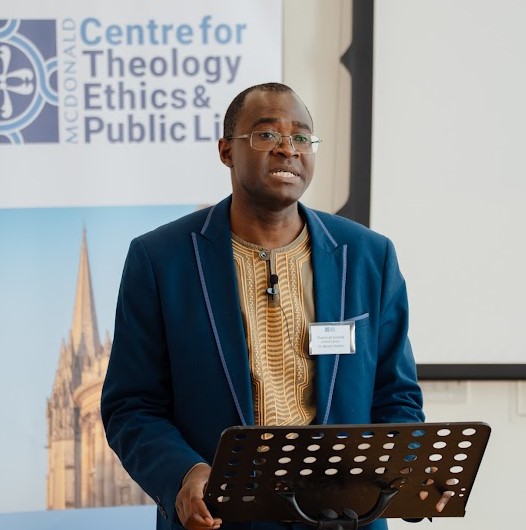
Chammah Kaunda,
Professor of World Christianity,
Oxford Centre for Mission Studies
Pneumatological Plasticity and African Humanism
Photo Courtesy of the McDonald Centre for Theology, Ethics, and Public Life.
Professor Kaunda advanced a distinctive account of humanism articulated from within an African Pentecostal theological framework, with particular attention to the notion of spirit-filled humanism. He argued that, within African traditions, human existence is marked by an unresolved crisis of self-understanding: despite remarkable achievements in science, technology, politics, culture, and religion, humanity remains unable to secure or define itself fully through its own resources. To be human is not merely to possess an autonomous essence, but to be drawn towards fulfilment through Christ and the Holy Spirit. On this account, human flourishing is reconfigured as a pneumatological process of transformation and spiritual becoming within the horizon of divine communion.
Panel Discussion of Practitioners
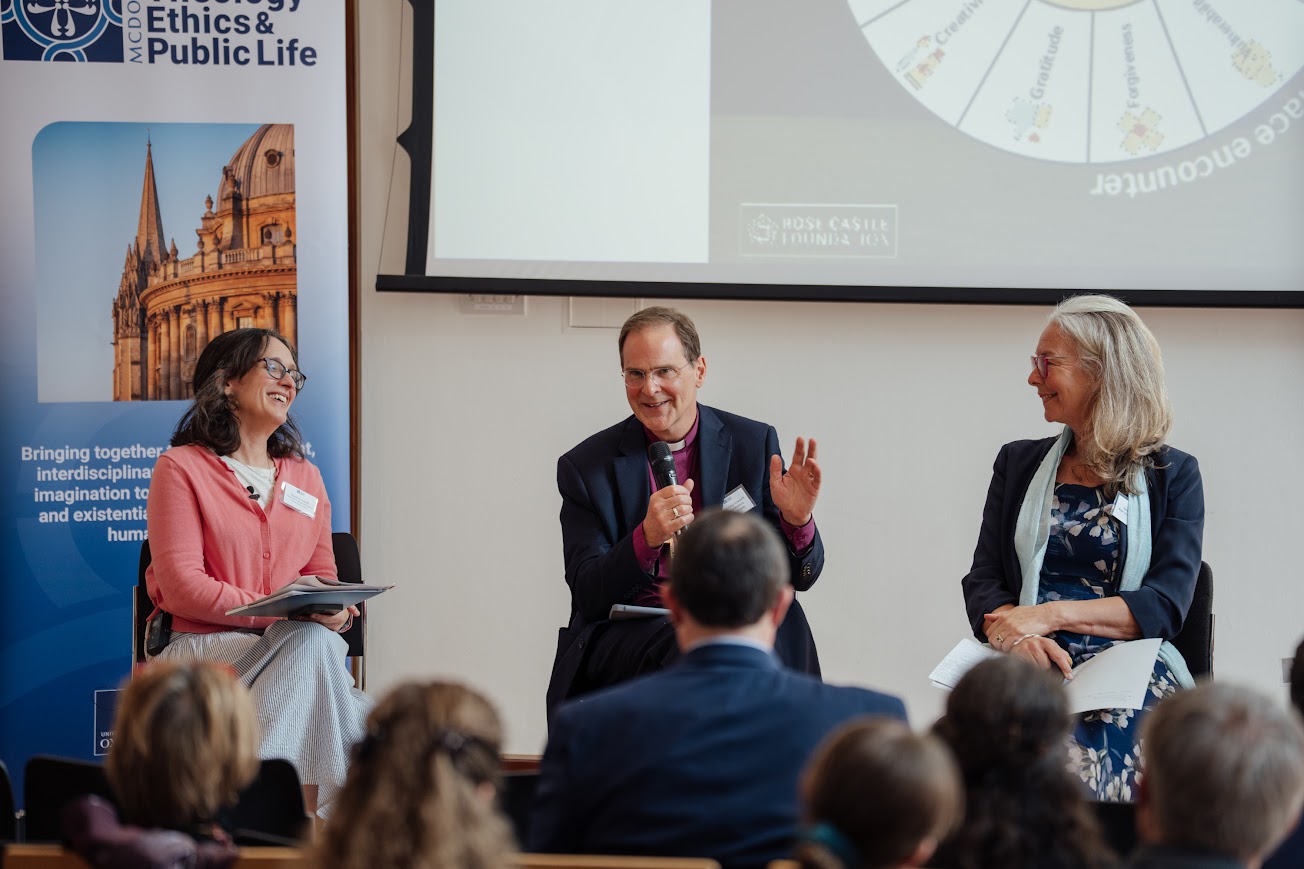
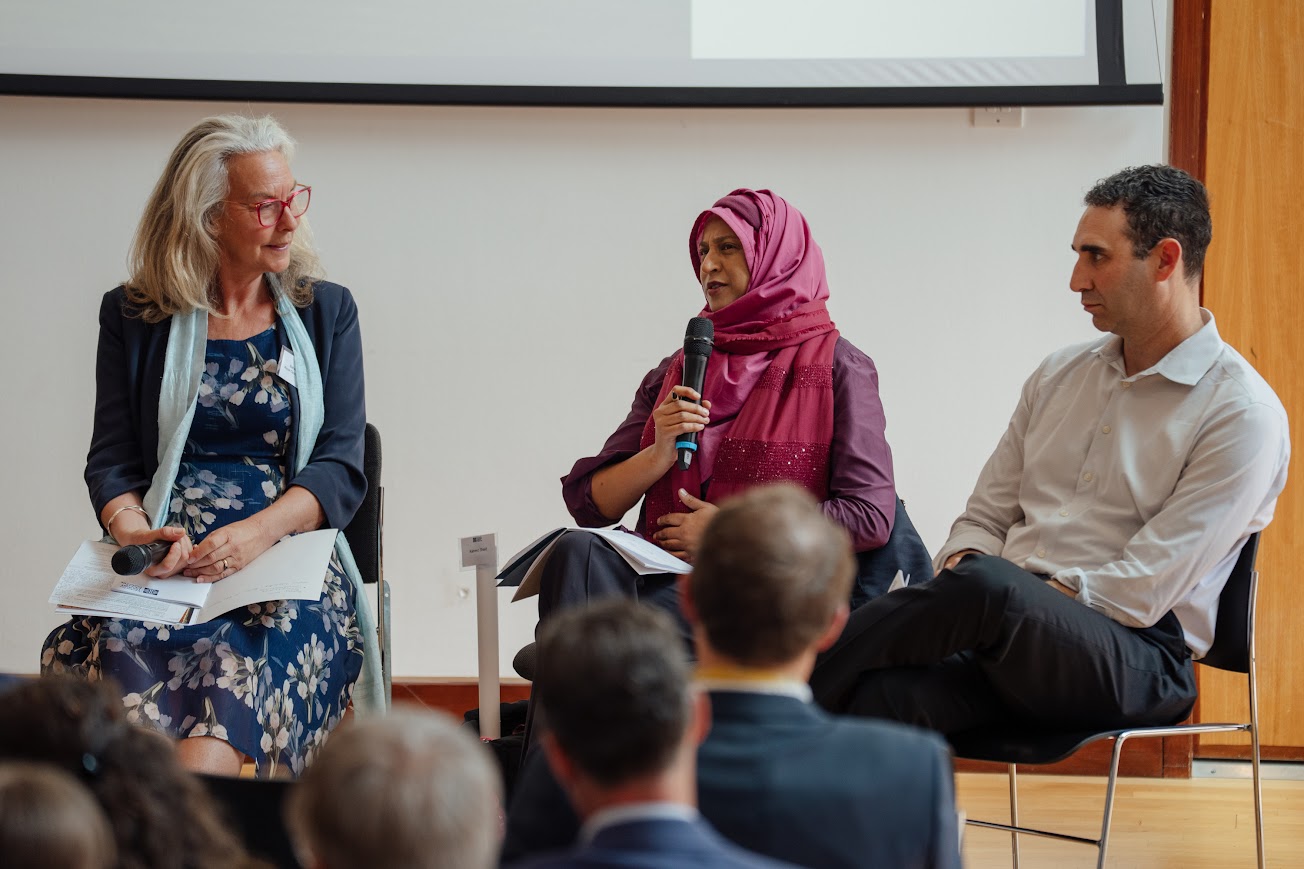
Photo Courtesy of the McDonald Centre for Theology, Ethics, and Public Life.
An especially significant roundtable session invited practitioners from diverse faith traditions to consider how communities of faith might bear witness to the possibility of common life amid conditions of social fragmentation. Drawing on civic and interfaith experience, the discussants—Kaneez Shaid, MBE (LOGIC, Grimsby), Andrew Hanauer (ONE America), the Rt Revd Toby Howarth (Bishop of Bradford), and Canon Sarah Snyder (Rose Castle Foundation)—reflected on the practices through which religious communities may cultivate trust and contribute to a shared moral vision ordered towards human flourishing.

Conference video recordings are available to everyone through this link.
Conference Team
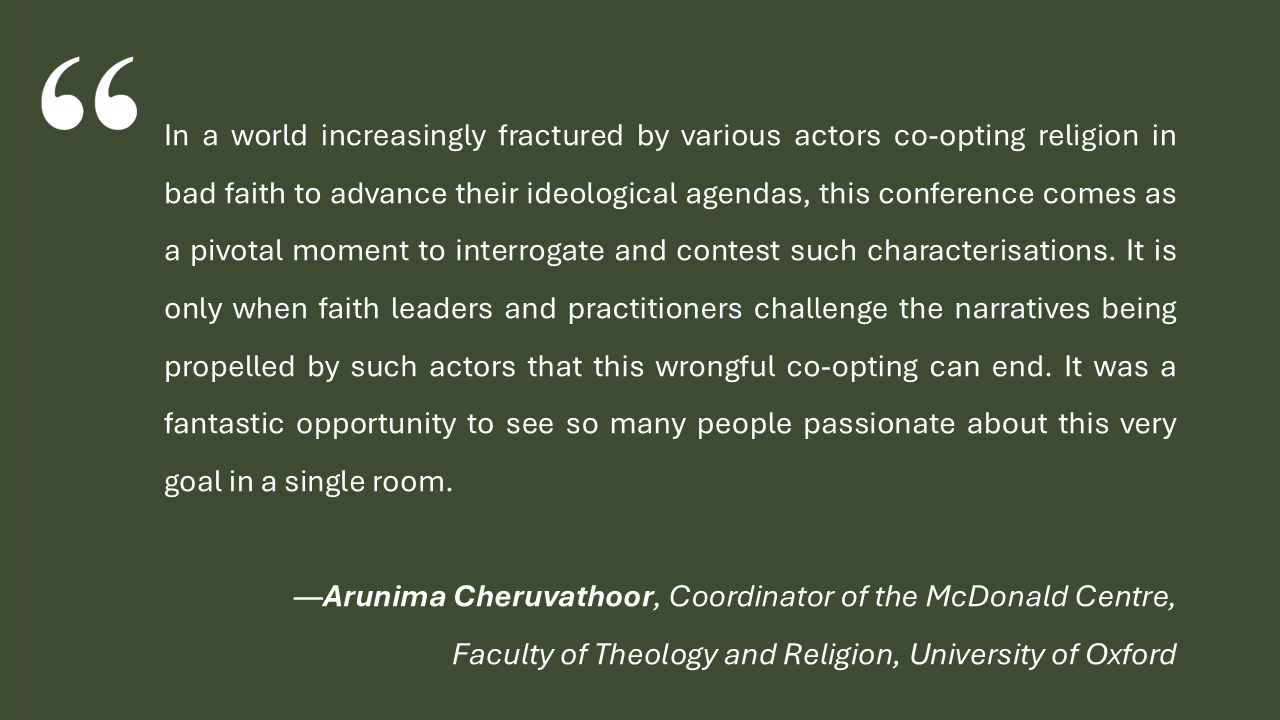
Particular gratitude is owed to Arunima Cheruvathoor and Dr Samuel Tranter, whose discreet labour and unfailing care sustained the conference at every point. Much of their work necessarily remained unseen, yet it was through this quiet service that the conditions for hospitality, and generous interfaith exchange were so carefully brought into being.
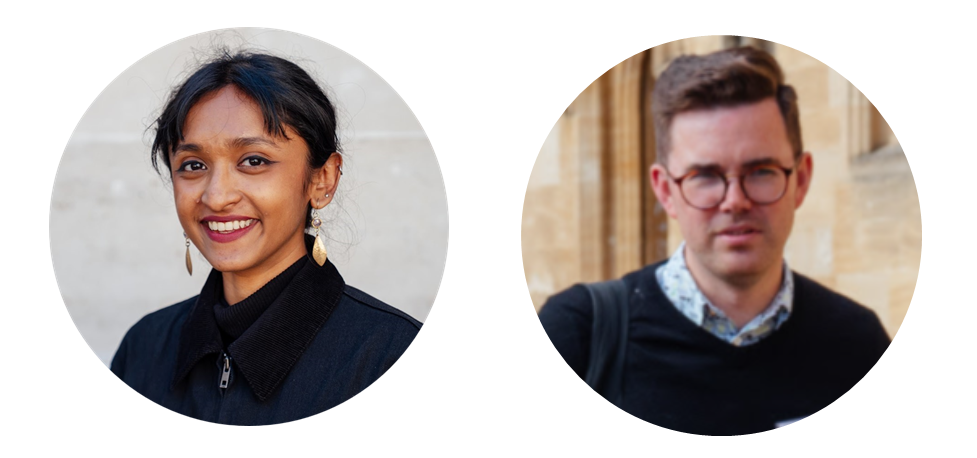
Photo Courtesy of the McDonald Centre for Theology, Ethics, and Public Life.
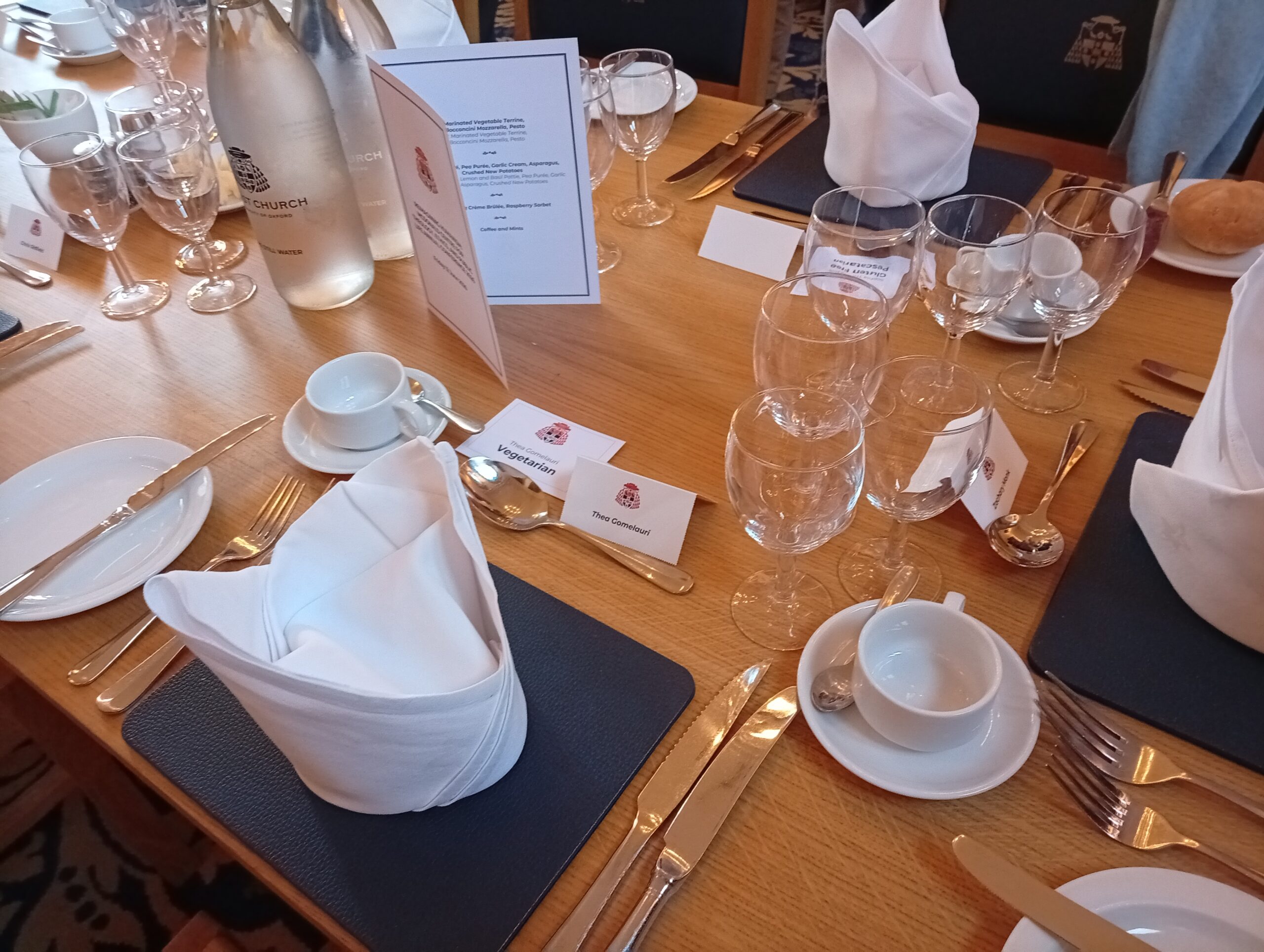
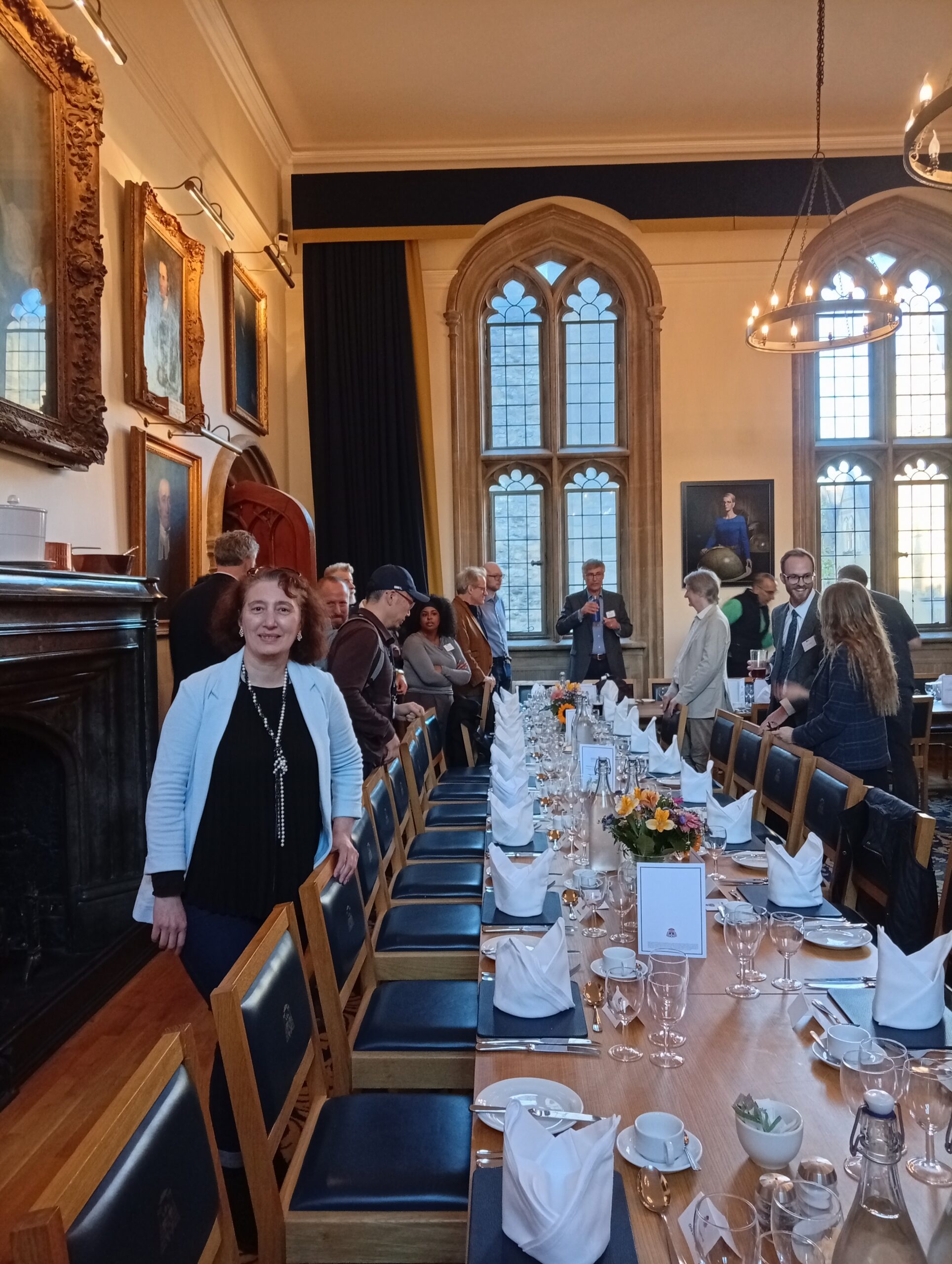
The Reimagining Humanism conference offered participants a meticulously curated and intellectually enriching experience, one in which the cultivation of the mind was held in graceful balance with the nourishment of the body and the elevation of the spirit.
The conference was generously sponsored by the Fetzer Institute.
Thank you!